Oligonucleotides play an important role in modern molecular biology, pharmaceutical research, biotechnology, and molecular diagnostics. From amplifying specific DNA regions to analyzing gene expression and studying genetic variations, these short nucleic acid sequences support a wide range of laboratory applications.

However, not every research experiment requires the same type of oligonucleotide. Sequence, length, purification, synthesis scale, and chemical modifications can all influence whether an oligo is suitable for a particular application.

Custom oligonucleotide synthesis allows researchers to obtain DNA sequences designed according to their experimental requirements. By selecting the appropriate oligo type and specifications, research teams can better align their molecular biology tools with their study objectives.

In this guide, we explain what custom oligonucleotide synthesis is, the different types of oligos available, their applications, how to choose the right specifications, and what to consider when selecting an oligo synthesis service provider.

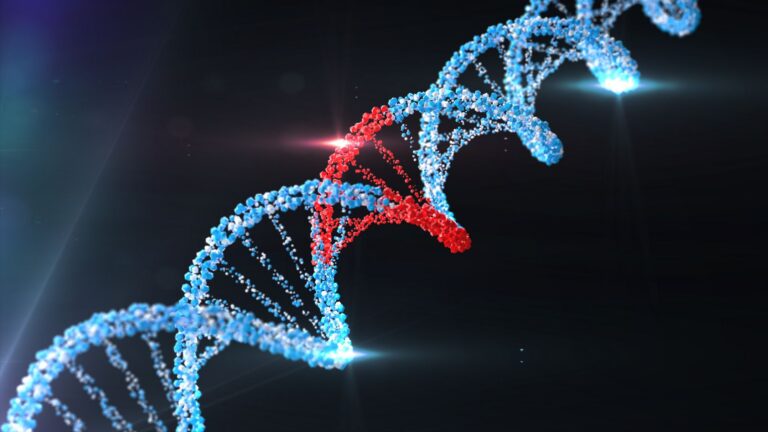
3D DNA double helix with a highlighted red DNA sequence representing genetic research and oligonucleotide synthesis.

What Is Custom Oligonucleotide Synthesis?

Oligonucleotides, commonly called oligos, are short chains of nucleotides that form specific DNA or RNA sequences. Synthetic
oligonucleotides are produced using specialized chemical synthesis processes that build a sequence according to a predefined design.

In custom oligo synthesis, researchers submit their required sequence and select specifications based on the intended experiment. Custom DNA oligos are widely used in polymerase chain reaction (PCR), quantitative PCR (qPCR), DNA sequencing, genotyping, gene expression analysis, and other molecular biology workflows.

Types of Custom Oligonucleotides 

Different research applications require different oligo designs. Understanding the available options helps researchers choose products that suit their experimental objectives.

·         Standard DNA oligos: Unmodified, single-stranded synthetic DNA sequences used for basic molecular biology techniques like routine PCR, DNA sequencing, and hybridization experiments.

·         Modified DNA oligos and fluorescent labels: Oligos chemical-tagged with functional groups (e.g., amine, biotin, phosphorylation) or fluorophores (e.g., FAM, HEX, Cy5) to enable specific detection, immobilization, or enzymatic protection in advanced assays.

·         PCR primers and qPCR probes: Specialized oligos engineered for targeted nucleic acid amplification; primers initiate synthesis, while probes (e.g., TaqMan, Molecular Beacons) incorporate fluorophore-quencher pairs for quantitative, real-time signal detection.

·         Long DNA oligos: Synthesized single-stranded DNA sequences exceeding 100–200 nucleotides, tailored for complex applications like gene synthesis, homology-directed repair templates, and construct assembly.

·         NGS Grade DNA oligos: High-purity oligos ensuring accurate library preparation, indexing, and target enrichment for Next-Generation Sequencing.

Applications of Custom Oligonucleotide Synthesis

Custom oligos support a wide range of research applications:

  • PCR and qPCR: DNA amplification and target detection.
  • Gene expression analysis: Studying changes in selected gene transcripts.
  • DNA sequencing and NGS: Target amplification, sequence analysis, and compatible library preparation workflows.
  • Molecular diagnostics: Investigating genetic targets and supporting assay development.
  • Drug discovery: Studying biological targets, gene expression, and candidate biomarkers.

How to Choose the Right Oligonucleotide

Before ordering custom oligos, consider these key factors:

  • Sequence and length: Match the oligo to the target and application.
  • Sequence Design & Secondary Structure: Check for balanced GC content (typically 40–60%), optimal melting temperature (), and avoid potential secondary structures like hairpins, self-dimers, or cross-dimers that can impair binding efficiency.
  • Synthesis scale: Select a yield scale (e.g., 25 nmol, 100 nmol, 1 µmol) based on the quantity required for your planned experiments and replicate runs.Purification: Choose the purification method based on oligo length and application stringency (e.g., Desalted for standard PCR, HPLC or PAGE for long oligos, probes, or modified constructs).
  • Modifications: Verify any required chemical functionalization (e.g., phosphorylation, amine tags, biotin) or fluorophore/quencher combinations tailored to your visual or enzymatic assay.
  • Quality documentation: Review available purity, yield, and quality information.

Oligo Purification: Desalting vs HPLC vs PAGE

Different purification methods serve different requirements.

  • Desalting: Commonly used for routine oligo applications.
  • HPLC: Provides chromatographic separation and may suit applications requiring more selective purification.
  • PAGE: Separates nucleic acids by properties including length and can be useful for selected oligos requiring separation of full-length products.

The appropriate method depends on the oligo design and experimental requirements.

How to Order Custom Oligonucleotides

Follow these steps to prepare your order:

  1. Prepare your sequence and confirm the intended application.
  2. Select the oligo type, such as a standard primer, qPCR probe, or modified oligo.
  3. Choose the synthesis scale based on your experimental needs.
  4. Specify purification and modifications where required.
  5. Confirm your requirements with the supplier for specialized sequences or applications.

Available DNA Modifications

Bioserve offers a range of DNA oligonucleotide modifications to support diverse research and molecular biology applications.

  • Fluorescent Labels: eg. FAM, HEX, TET, TAMRA, and Cy3.
  • Functional Modifications: eg. Biotin, amino, thiol, and phosphorylation.
  • Nucleobase Modifications: eg. Inosine and other available modifications.
  • Custom Requirements: Additional modifications may be available depending on the sequence and application.

Conclusion

Bioserve Custom oligonucleotide synthesis supports research across biotechnology, pharmaceuticals, molecular diagnostics, and genomics. Selecting the right oligo specifications helps researchers align their molecular tools with their experimental requirements.

Need a specific modification? Contact Bioserve to discuss availability and your research requirements.

About the author

Archana Yadav, Digital Marketing Specialist, Bioserve India

Archana She specializes in SEO, content marketing, and social media management. In her free time, she enjoys reading, travelling, and exploring new food. Connect with her on LinkedIn: www.linkedin.com/in/archana-oli-3176501a3.